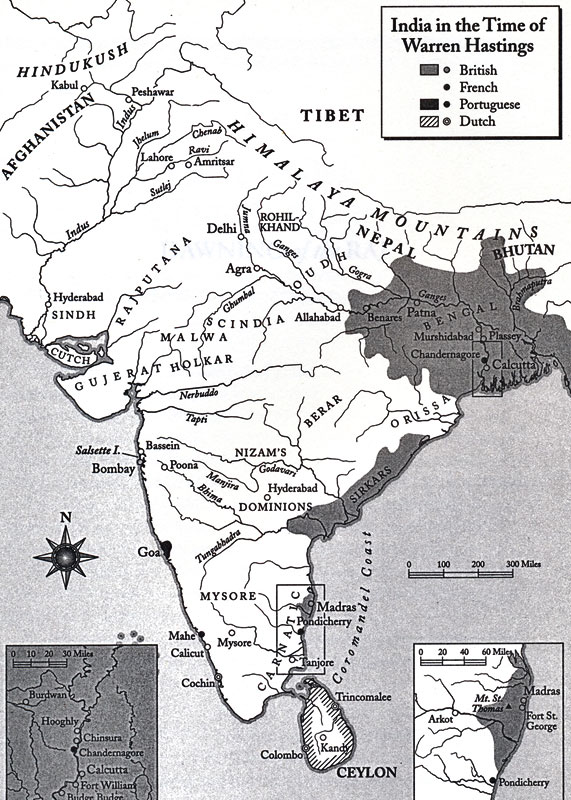
Colonial legacy in the spatial organisation of many indian cities remains inherent, despite repeated attempts to integrate urban development. Kolkata, once the administrative capital of british colonialism in India, bears strains of its complex history in the ‘mosaics’ of urban morphology even today. Kolkata’s origins are rooted in the ‘Bazaar or merchant cities of Mughal imperialism that had a typical organisational structure around palace complexes, markets and trade routes. These politically autonomous, institutionally docile merchant cities grew along the ‘quadrilateral formed by two axes’ of ancient trade routes linking the coasts on either side of the country and greater continental Asia. It is against this backdrop of commercial viability that the city of Kolkata emerged.
Origins
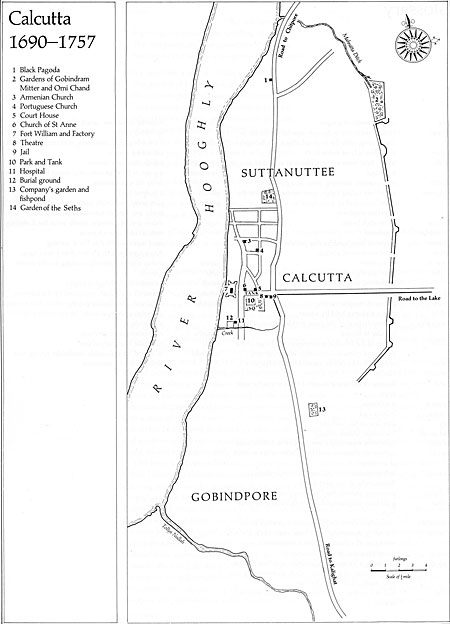
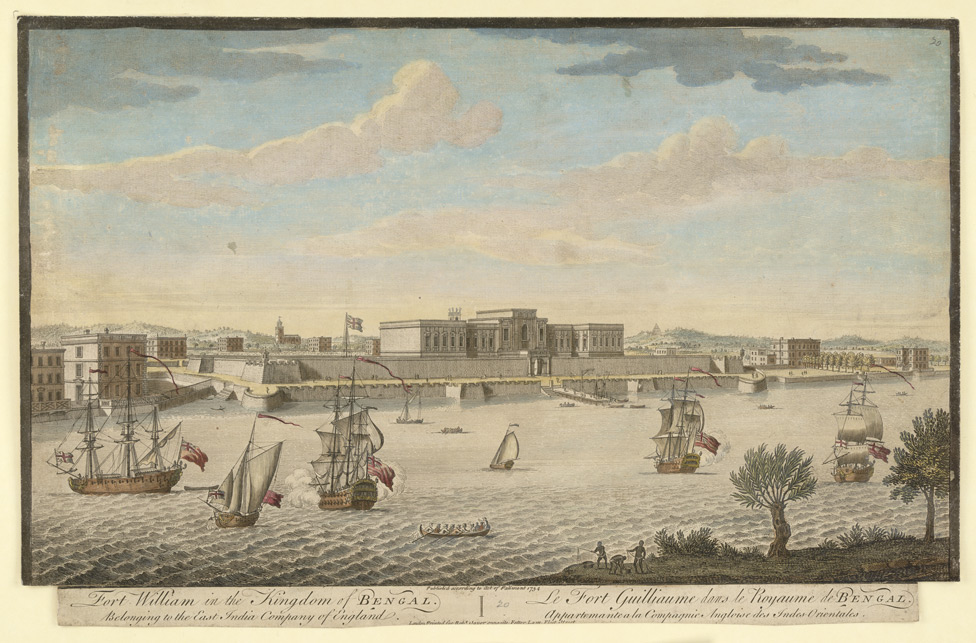
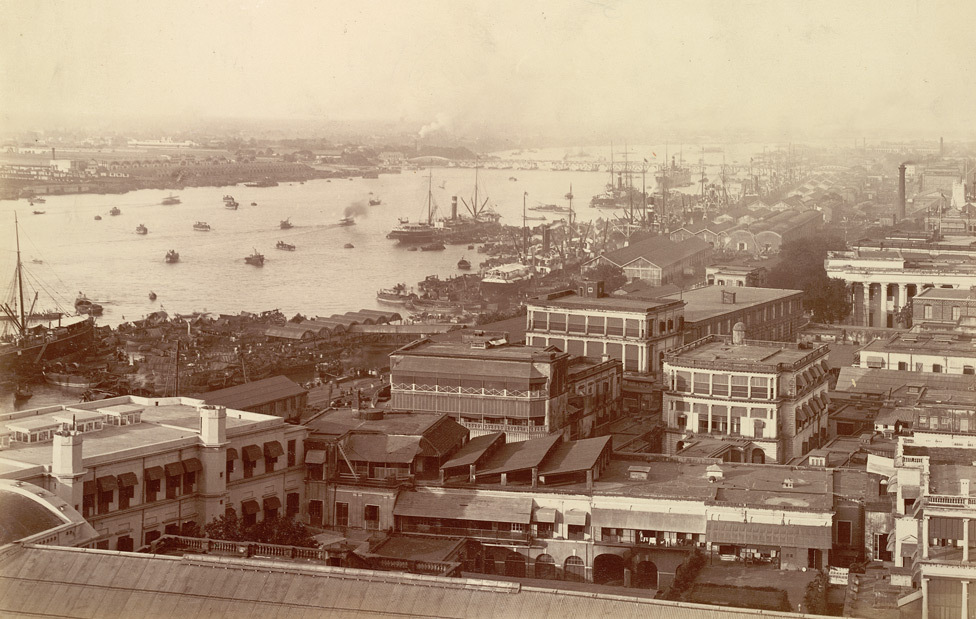
Kalikata, then Calcutta and eventually Kolkata has its origins in the purchase of three large villages along the east bank of the river Ganga, by Job Charnok, an agent of the East India Company from the local Indian landlords in 1690. The three villages namely, SUTANUTI-yarn market, KALIKATA-lime and shell manufacturing and GOVINDPUR-settlements. Considered to be “the best money that ever was spent”, for what was mostly empty rural and marshy land was chosen to establish the New British India capital city as it stood on an important transport link along the Ganga, thereafter along the railway corridor built by the british along the south eastern corridor of the country and its proximity to the existing trading center of Burrabazaar. Kolkata eventually developed not just as an administrative headquarter and trading hub but a quintessential port city that helped establish and expand colonial power.
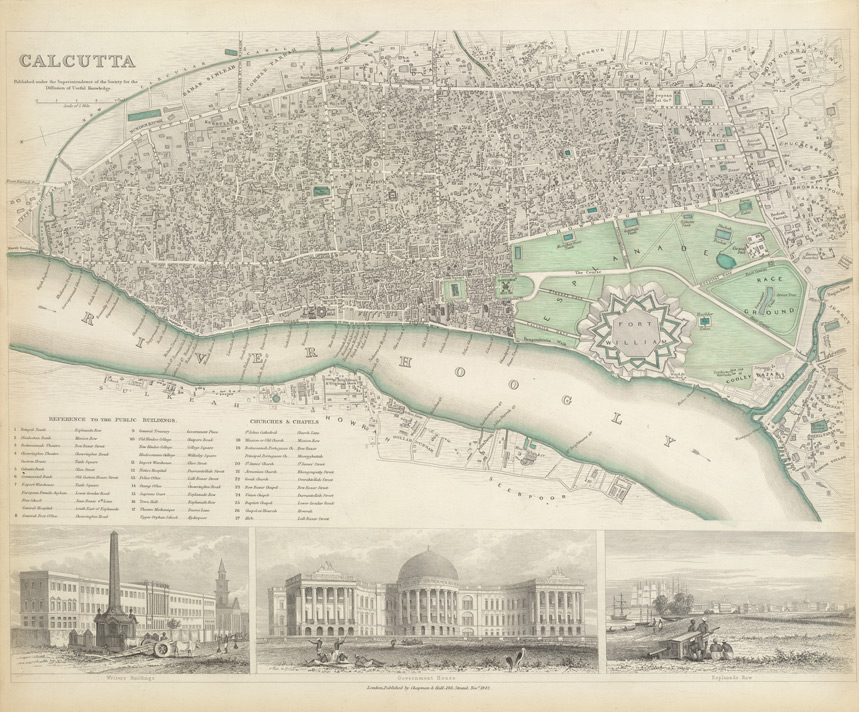
Charles Hamptons Calcutta 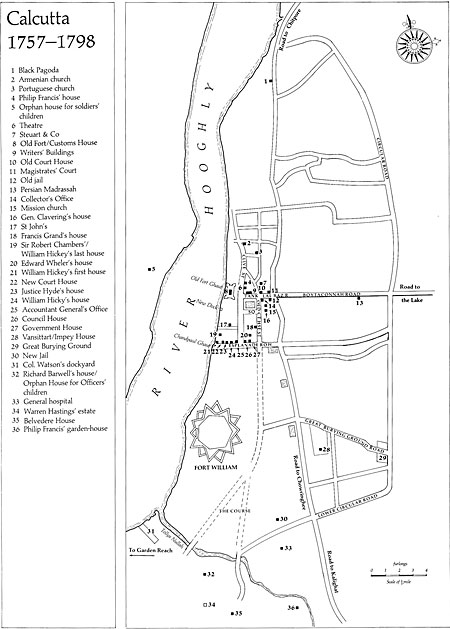
Samuel Hampton‘s Calcutta
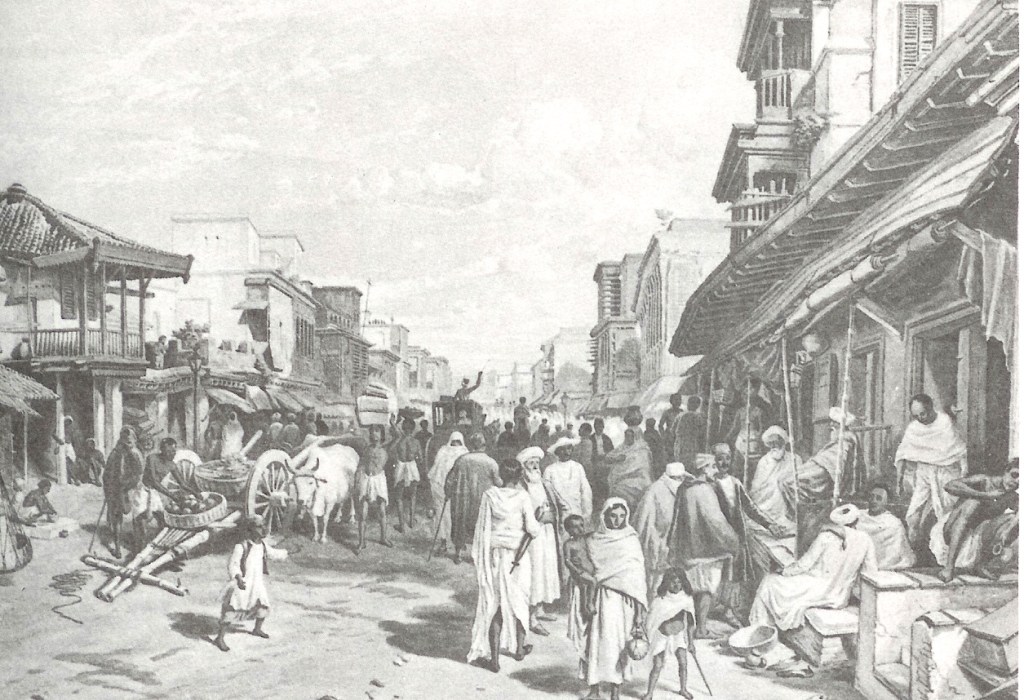
Simpson, William, India Ancient and Modern, published in 1867
Urban form and organisation
The development strategy of colonial settlement planning was typical based on segregation of living quarters of coloured natives and white colonisers- physical remnants of which are prominent even today in the dense, organically evolving neighbourhoods of the erstwhile ‘Black Town’ in the north and the sprawling landscapes of colonial bungalows in planned neighbourhoods of the ‘White Town’ in south Calcutta. The latter was located on the highest point of the riverbank and grew around a fort as suburban sprawl away from the dense market town of the natives by clearing forests and displacing farmers into the town. Anchored in their need for defence, hygiene and exclusivity and engineered by their love for drainage and gardens, White Calcutta was nurtured by large open spaces, museums, theatres, churches, and high-street commerce: a city of palaces services by modern drainage infrastructure and wide motorable streets, administrative centres and centralised governance.
By contrast, ‘Black Town’ was opaque, chaotic, a mixed use environment without any legible order of spatial planning, amidst bustling social heterogeneity. The narrow streets, predominantly pedestrian or at most traversed by palanquin, webbed into a maze without proper drainage because of which floods and fire disasters were rampant and epidemics were common. Almost devoid of public parks, small neighbourhood blocks ‘para’ organised themselves around temples or mosques or a native merchant’s house, whose courtyards would open up to locals on special occasions. This visually illegible yet experientially rich networks of ‘para’ still finds its place in urban vocabulary of Kolkata.
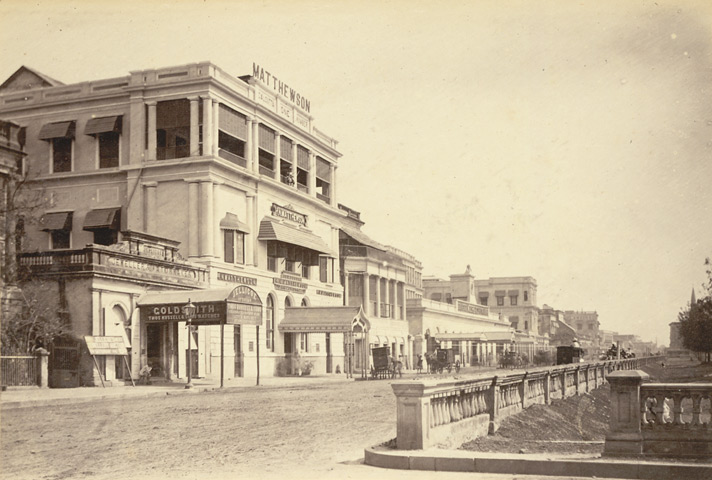
White Town
Esplanade Calcutta, 1878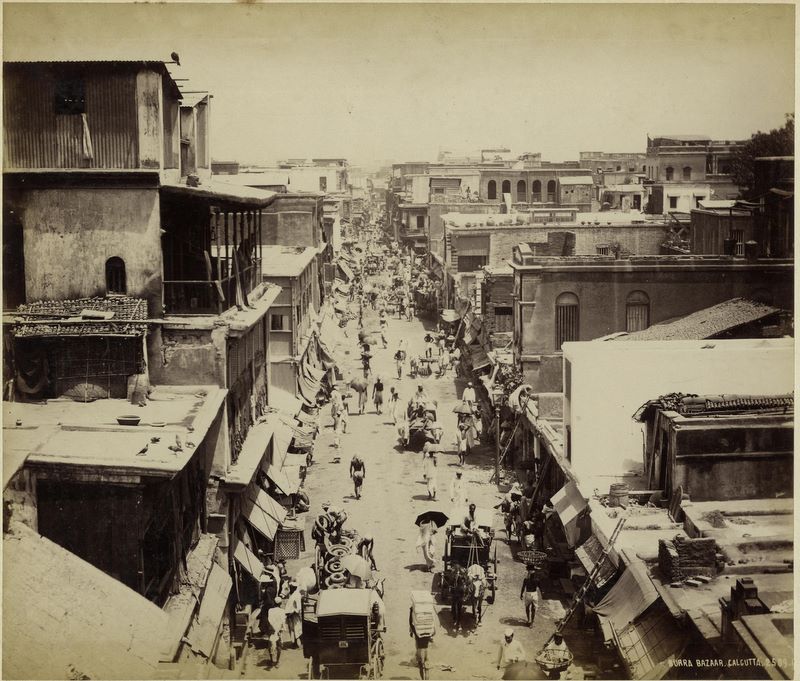
Black Town
Burra Bazaar Calcutta, 1880s
Post independent Kolkata over the last 70 years has seen multiple interventions moving from monocentric to polycentric urban agglomeration- attempting to erase the characteristic spatial discontinuity through redevelopment projects in the center, modernist utopian neighbourhoods and the latest – investment oriented ‘technological dystopia’ of New Town Rajarhaat. What remains consistent is the extreme levels of inequality and social injustice that has prevailed since its origins.
References:
- Calcutta in Urban History. By Pradip Sinha. Calcutta: Firma K. L. M., 1978
- Book Reviews of by Calcutta in Urban History Christine Furedy York University – South Asia Journal of Asian Studies Calcutta in Urban History. By Pradip Sinha. Calcutta: Firma K. L. M., 1978
- Urban growth and spatial transformation of kolkata metropolis: a continuation of colonial legacy – mala mukherjee, arpn journal of science and technology -vol. 2, special issue, icesr 2012, issn 2225-7217 Calcutta in Urban History. By Pradip Sinha. Calcutta: Firma K. L. M., 1978
- « When Kolkata began as Calcutta, History of the first capital of British India« , India Today 1322194-2018-08-24

 Le Cycle 2019